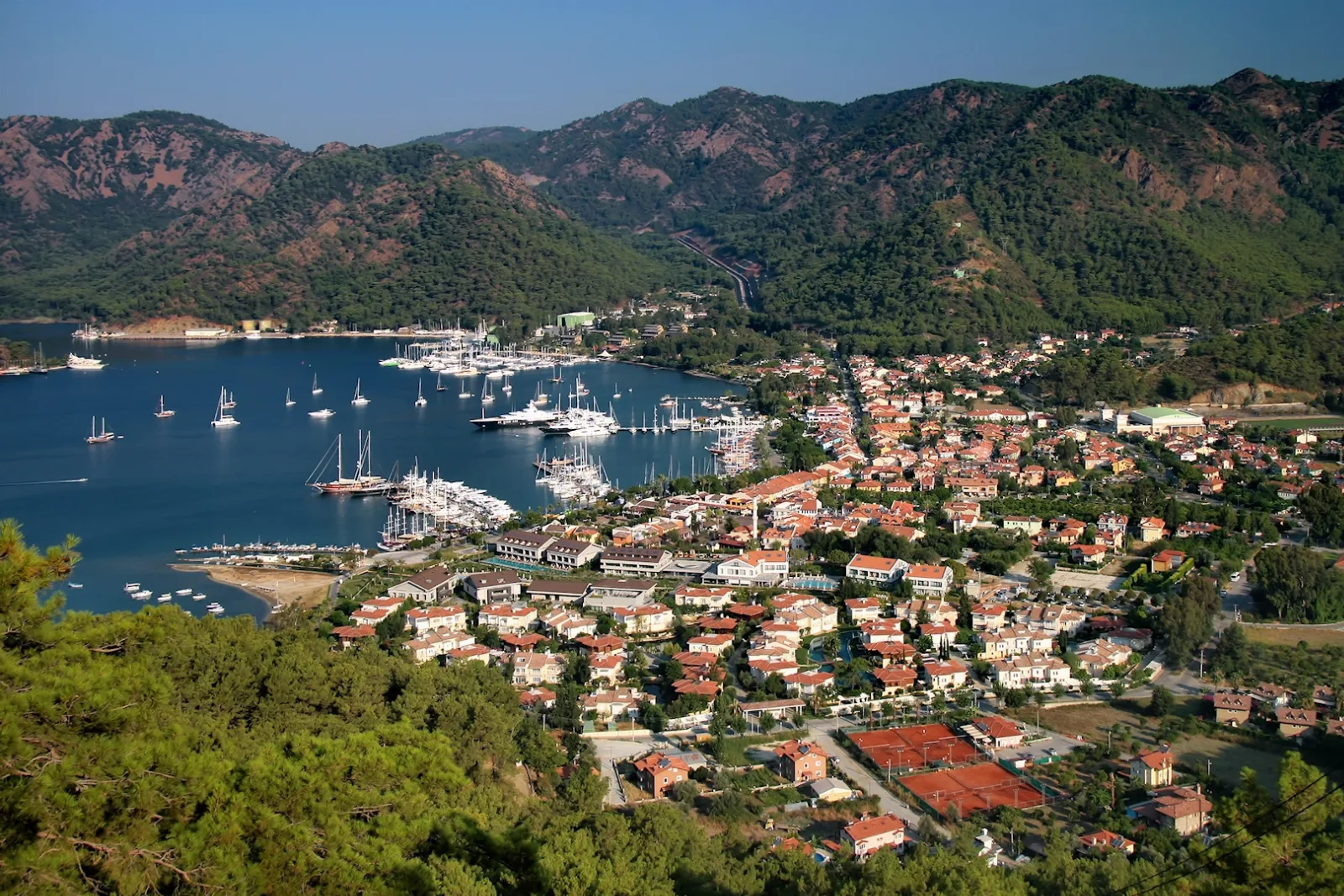
Fethiye Tuesday Market and Souvenir Guide: What to Buy and How to Bargain
The Tuesday market is the best place to see local life and buy fresh produce, spices and gifts. This guide covers what to buy, how to bargain and what to avoid.
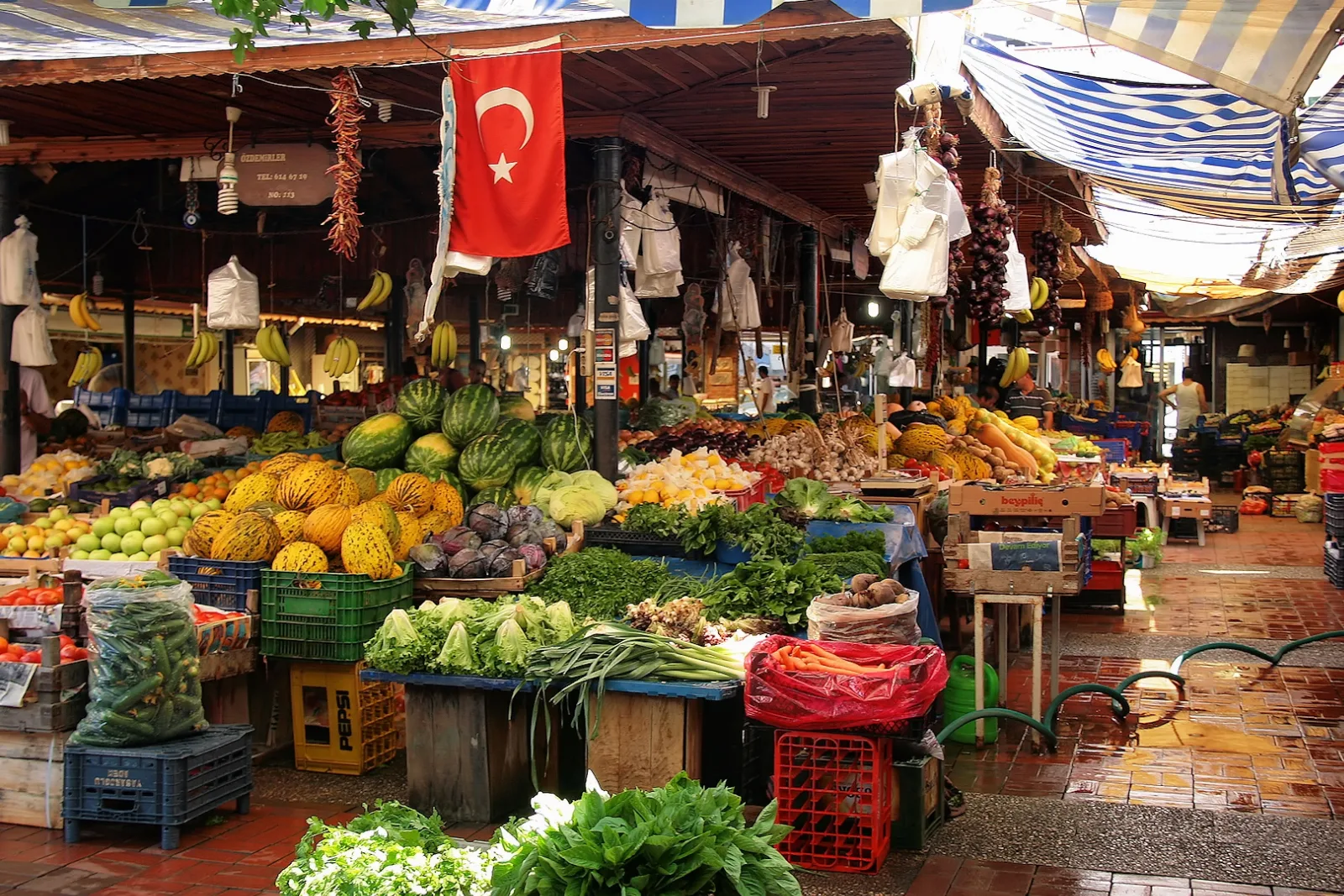
If you only have time for one shopping experience in Fethiye, make it the Tuesday market. It is a big, noisy, colourful event where farmers, spice sellers and clothing stalls fill several streets, and half the town seems to turn up with shopping bags. For souvenirs, the old Paspatur quarter and shops around the harbour add more choice. This guide helps you decide what to buy, how to pay a fair price and how to spot what is good value.
The Tuesday market (Salı Pazarı)
As the name suggests, the main weekly market takes place on Tuesdays. It is a mix of fresh produce, olives, cheese, herbs, dried fruit, clothes, household goods, towels and bags. Locals shop here for their weekly vegetables, so it is a good place to see what grows in the region at that time of year. Opening hours are typically morning to mid-afternoon, but arrive in the morning for the best choice and cooler weather. Exact location and hours can change, so ask your hotel, as there are also other weekly markets in neighbouring areas on other days.
What to buy
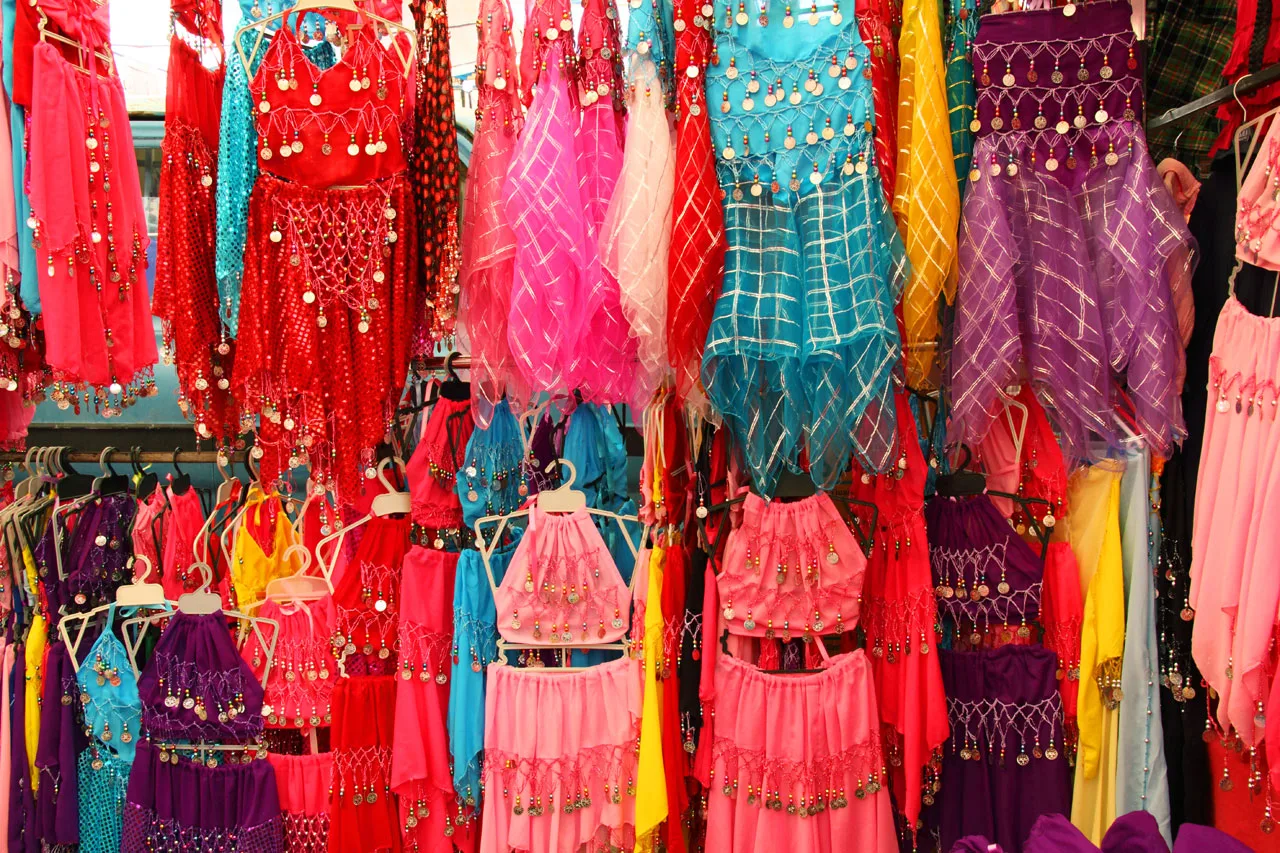
- Spices and tea: Sumac, dried mint, pul biber (chilli flakes), Turkish thyme and sage, and herbal teas. Buy from stalls where you can smell the products.
- Olive oil and olives: Look for cold-pressed oil in sealed bottles. Taste it if offered.
- Pine honey: The Muğla region is famous for pine honey, which is dark and slightly malty. Check labels and ask where it was produced.
- Dried fruit and nuts: Figs, apricots, pistachios and hazelnuts are good value in Turkey.
- Turkish delight and sweets: Choose a reputable shop, and buy small boxes so that you can try them.
- Towels and cotton textiles: Turkish cotton peştemal (thin hammam towels) are lightweight and dry quickly, which makes them great for beach and travel.
- Ceramics and glass: Hand-painted bowls and plates, and the blue evil-eye (nazar) amulets.
- Leather and bags: Quality varies widely, so look closely at stitching and ask about materials.
Paspatur and the harbour
Paspatur is the old bazaar quarter near the harbour. Its narrow streets mix souvenir shops, cafés, restaurants and a few traditional trades. It is a good place for browsing in the evening when it is cooler. Ask the price before you buy, compare a few shops, and remember that the first quoted price is only a starting point. Compare several shops before buying and take your time.
How to bargain politely
Bargaining is normal in markets and bazaars, but not in supermarkets, pharmacies or fixed-price shops. Some practical rules:
- Decide what you would be happy to pay before you start.
- Do not show too much enthusiasm for an item at first.
- Offer a lower price with a smile. Counter-offers are expected.
- If you cannot agree, say thank you and walk away. You may be called back with a better offer.
- Once you have agreed on a price, do not retract it.
- Accept tea if it is offered, and you are under no obligation to buy.
Avoiding fakes and low quality
Fake designer goods are widely sold and are illegal to bring back into many countries, and customs may confiscate them. Saffron offered at a suspiciously low price is often not genuine. Be cautious with products labelled as "Turkish gold" and with items claimed to be antiques, which cannot legally be exported without permission. For anything expensive, go to a shop with fixed prices and ask for a receipt.
Practical tips
- Keep your bag zipped and your wallet in a front pocket in crowds.
- Carry water and wear sun protection, as the market is mostly open air.
- Check the weight on scales when buying by the kilo.
- Ask before photographing people or their stalls.
- If you want to ship large items home, ask the shop about shipping and insurance in writing.
Eating at the market
Many people combine shopping with lunch. There are stalls selling gözleme and freshly squeezed juice, and the streets around have plenty of simple restaurants. See our Fethiye food guide to know what to order.
Frequently asked questions
What day is the Fethiye market?
The main weekly market takes place on Tuesday. Ask your hotel to confirm the current location and hours.
What souvenirs should I buy in Fethiye?
Popular choices include spices, olive oil, pine honey, dried fruit, cotton peştemal towels, ceramics and evil-eye charms.
Is bargaining expected?
Yes in markets and bazaars. Offer politely, expect a counter-offer and be ready to walk away. Do not bargain in fixed-price shops.
Can I use a credit card at the market?
Most market stalls take cash only. Many shops in tourist areas accept cards.
How can I avoid fake goods?
Avoid designer-label bargains, check labels on food and honey, and buy expensive items from shops that give receipts.