What to Eat in Fethiye: Local Dishes, Fish Etiquette and Where to Start
From a full Turkish breakfast to fresh fish by the harbour, here is a local's guide to eating well in Fethiye and ordering with confidence.
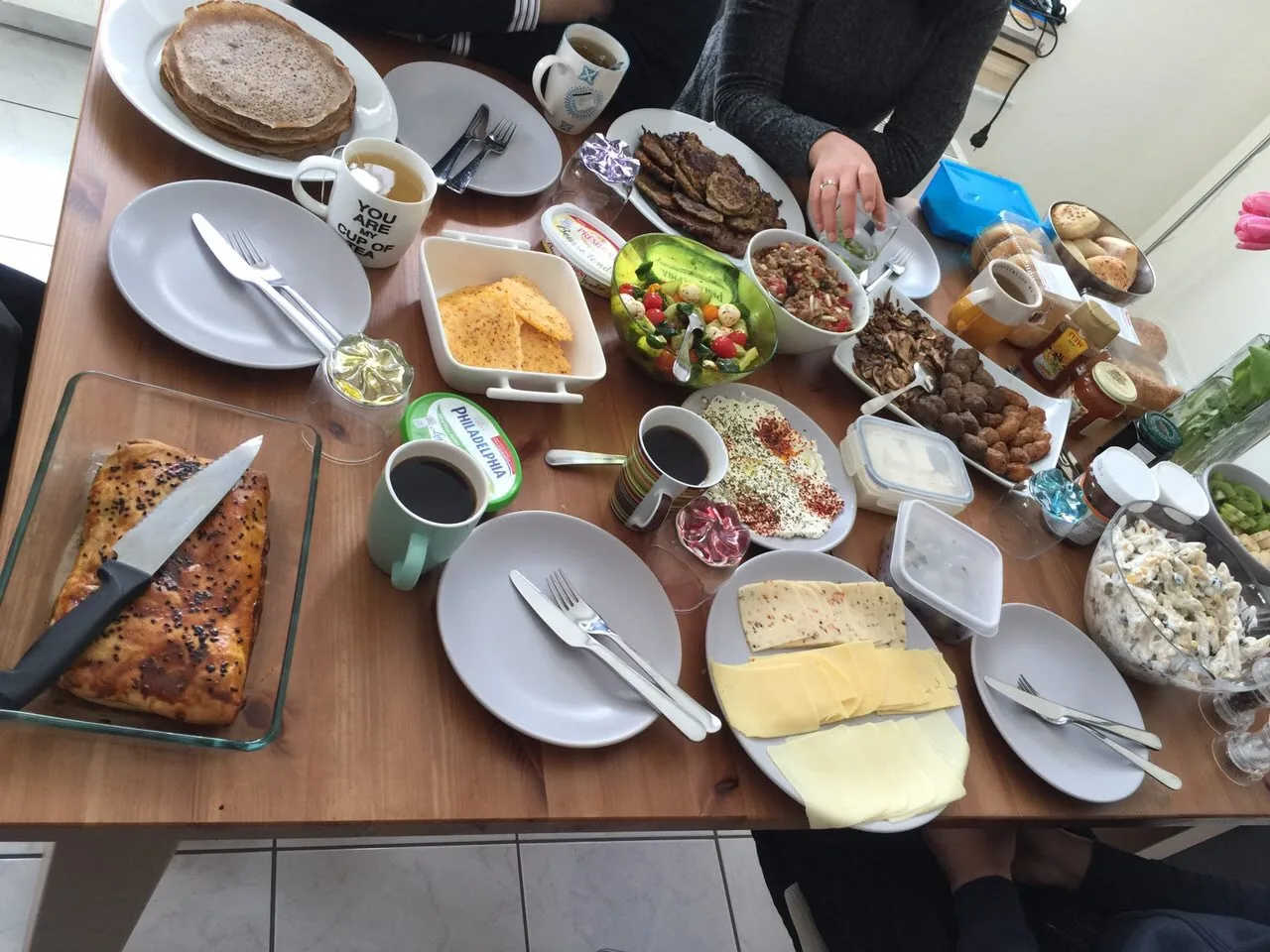
Fethiye is a good place to eat. The town sits between the sea and the mountains, so you find fresh fish, vegetables grown in the valley, olive oil from the hillsides and honey from pine forests, plus the full range of Turkish classics. The challenge for a visitor is not finding food but knowing what to order, how the pricing works and which places to avoid. This guide is written to make your meals more enjoyable and less expensive.
Start the day with a Turkish breakfast
A proper Turkish breakfast (kahvaltı) is a spread of small plates: tomatoes and cucumbers, several kinds of cheese, olives, honey and clotted cream (kaymak), jam, boiled eggs, fresh bread and endless glasses of tea. Order one for two people and share it. Many places will add a hot dish such as menemen (eggs scrambled with tomatoes and peppers) or sucuklu yumurta (eggs with spicy sausage).
Some of the best breakfasts are served in the villages around Fethiye, where you sit under a tree and the eggs, butter and honey are from nearby farms. Ask your hotel host for a suggestion.
Meze, the heart of Turkish dining
Meze are small cold or hot dishes served before the main course. Common ones include haydari (thick yoghurt with garlic and herbs), acılı ezme (spicy tomato and pepper salad), patlıcan salatası (aubergine), zeytinyağlı dishes made with olive oil, sigara böreği (crisp cheese pastry rolls) and kalamar (fried squid). In many restaurants a waiter brings a tray so that you can point to what you like. Choose three or four to share. They are filling, so do not over-order.
Fish, and how to avoid surprise bills
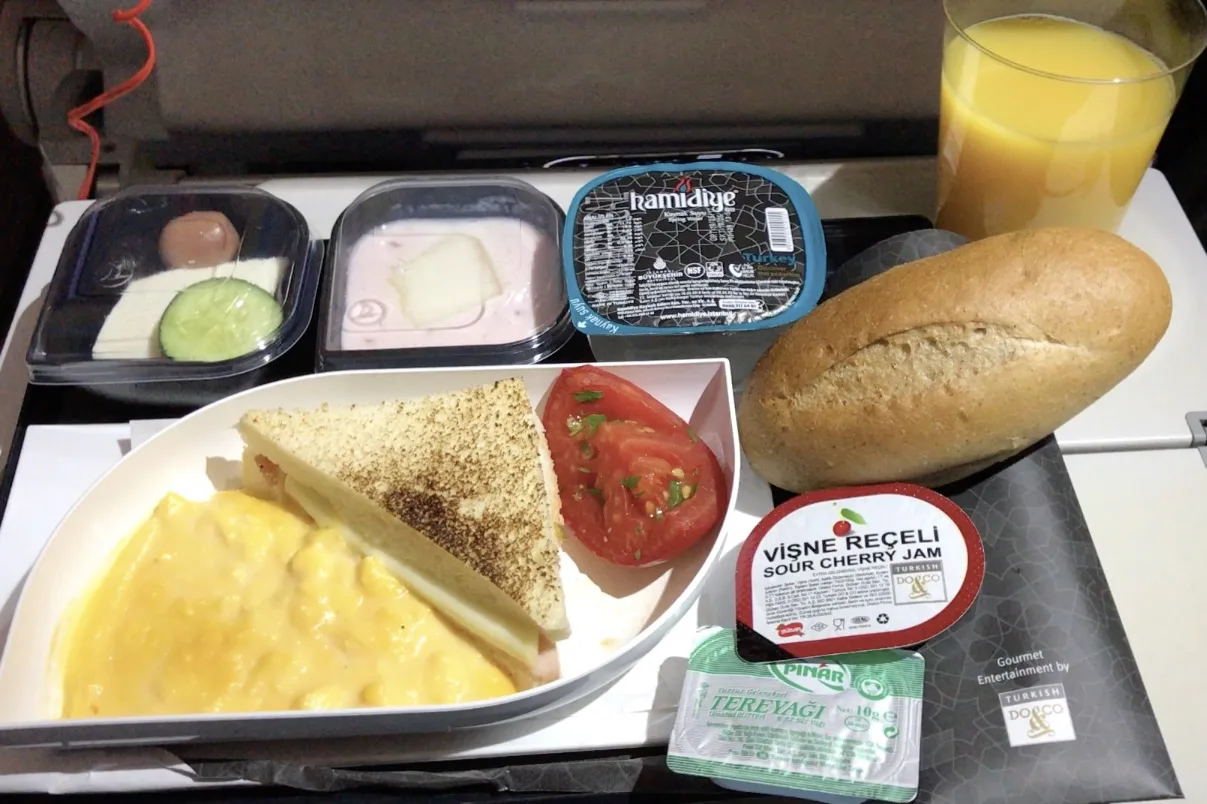
Fish is the signature of the coast. Common choices include sea bass (levrek), sea bream (çipura), red mullet (barbun), grey mullet and, in season, grilled octopus. Fresh fish is usually priced by weight, per kilo. Here is how to avoid trouble:
- Ask the price per kilo before you choose, then confirm the approximate total after weighing.
- Check the fish: clear eyes, red gills, firm flesh and no strong smell.
- Farmed and wild fish have different prices, so ask which is which.
- Understand that side dishes, bread and the meze count towards the final total.
- Check your bill before paying, and ask for an itemised receipt if anything is unclear.
Grills, kebabs and pide
You will not go hungry for meat either. Fethiye has plenty of kebab houses serving şiş (cubes of grilled lamb or chicken), Adana (spicy minced meat), köfte (meatballs) and iskender (sliced döner with tomato sauce and yoghurt). Pide, the Turkish boat-shaped flatbread topped with cheese, minced meat or egg, is a good lunch, as is lahmacun, a thin round bread with spiced mince that you roll up with salad and lemon.
Gözleme and village food
Gözleme is a thin handmade flatbread filled with cheese, spinach, potato or minced meat, cooked on a domed griddle. It is a traditional village dish and an ideal quick lunch. Look for women rolling the dough in small teahouses and roadside stalls. Also try mantı (small dumplings with yoghurt and chilli butter) and güveç (clay-pot stew), both common in family restaurants.
Vegetarian options
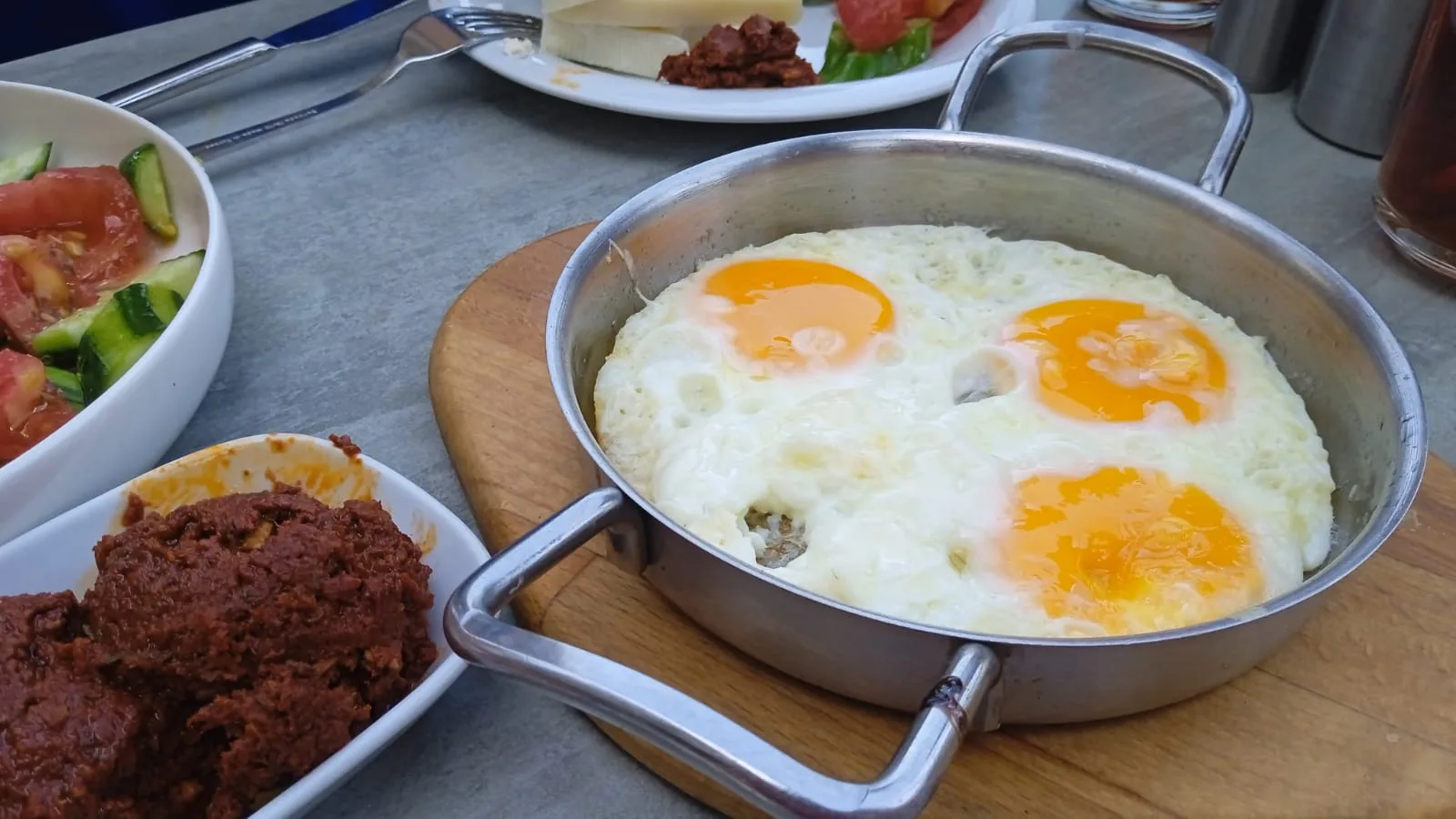
Turkish cuisine is easy for vegetarians. Meze, vegetable dishes cooked in olive oil, lentil soup (mercimek çorbası), gözleme with cheese or spinach, menemen and pide with cheese all work. Vegans should ask whether dishes contain butter, yoghurt or meat stock, which are common.
Desserts and drinks
- Baklava and künefe: Syrupy pastry with nuts, and hot cheese pastry soaked in syrup. Share one portion between two.
- Dondurma: Turkish ice cream, sometimes stretchy and chewy.
- Turkish tea (çay): Served in small tulip-shaped glasses, offered constantly.
- Turkish coffee: Strong, unfiltered and served with the grounds in the cup. Say how sweet you want it.
- Ayran: A salty yoghurt drink that goes well with kebabs.
- Raki: The aniseed spirit usually served with fish and meze. Add water and ice, and drink slowly.
Tipping and paying
A tip of around 10 percent is common for good service in restaurants. Check whether a service charge is already added. Cards are widely accepted, but cash is useful in small places, and it is polite to tip in cash when you can. Prices on menus can change quickly, so always check before you order.
Avoiding tourist traps
- Be wary of touts who pull you into restaurants with free drinks or big promises.
- Check whether the menu lists prices clearly, including for fish and drinks.
- Look at the plates on other tables to see portion sizes.
- Ask your hotel owner or someone who lives locally for current recommendations.
We are building restaurant listings with venues we have visited. Meanwhile, use this guide to order with confidence in any restaurant in Fethiye, and read our market guide for ideas on edible souvenirs.
Frequently asked questions
What is the best local food in Fethiye?
Fresh fish, meze, gözleme, Turkish breakfast and grilled meats are the highlights. Each is easy to find in the town and villages.
How does fish pricing work in Turkey?
Fresh fish is generally sold by weight per kilo. Ask the price per kilo, have the fish weighed in front of you and confirm the approximate total before cooking.
Is Fethiye good for vegetarians?
Yes. Meze, vegetable dishes in olive oil, lentil soup, gözleme and menemen are all vegetarian. Ask about butter or stock if you are vegan.
Should I tip in Fethiye?
About 10 percent is common for good service. Check whether a service charge is already included.
Is tap water safe to drink?
Most visitors drink bottled or filtered water. It is available everywhere.