Camping Around Fethiye: Rules, Seasons and Safety Tips
Planning to camp near Fethiye? Learn when to go, what the rules are, how to stay safe in forest areas and how to pack for the Turkish coast.
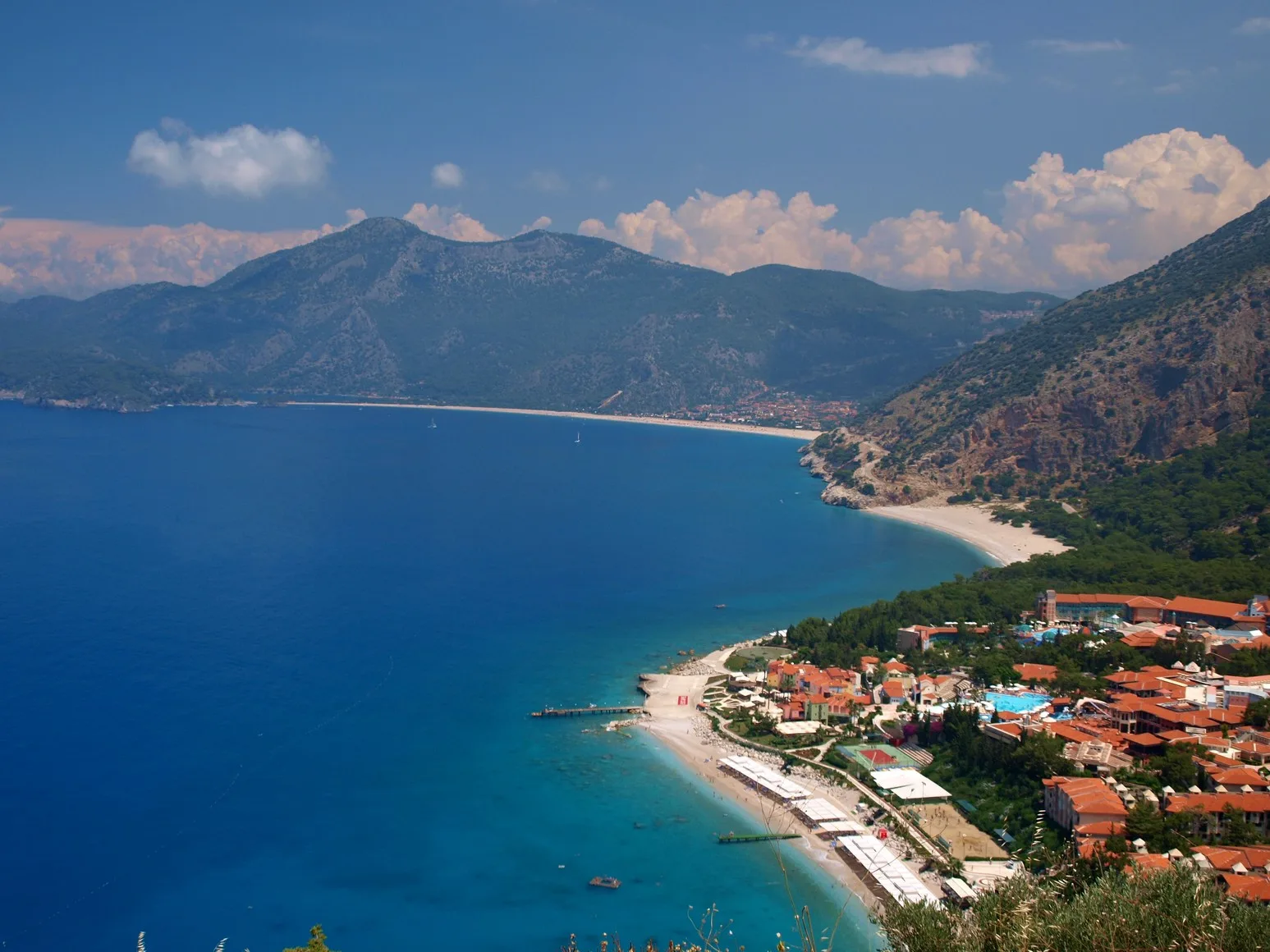
The area around Fethiye has pine forests, quiet coves, mountain plateaus and river valleys, which makes it appealing for campers. The reality is more complicated than the pictures suggest: summers are hot, the forest is a fire risk, and the rules on camping are stricter than many visitors expect. This guide explains what to know before you pitch a tent, so that your trip is safe, legal and enjoyable. We will add specific campsite reviews as we visit them, and we prefer not to recommend places we have not checked.
When to go
- April to early June: Warm days, cool nights, green hills and wildflowers. One of the best periods.
- July and August: Very hot, especially inland. Choose a shaded site near the water, and expect more crowds, and ask about current rates.
- September to October: Warm sea, softer light and fewer people. Another excellent window.
- November to March: Cool and rainy at times. Many campsites close. Higher ground can be cold.
Campsites versus wild camping
The safest and simplest choice is a proper campsite. In and around Fethiye there are organised camps and bungalow-style sites near the sea and in valleys, with toilets, showers and electricity. Opening seasons, prices and facilities change, so contact a site directly before travelling and book in peak season.
Wild camping, meaning pitching a tent outside an official site, is complicated. Much of the land is state forest, private farmland, protected nature areas or military zones, and rules vary by area. Camping on a beach or in a forest without permission can result in fines or being asked to leave, and in some areas it is not allowed at all. If you want to camp in a particular place, ask the local authority (such as the forestry office or the municipality) or the landowner for permission, and do not assume it is allowed because other people are doing it.
Fire safety is not optional
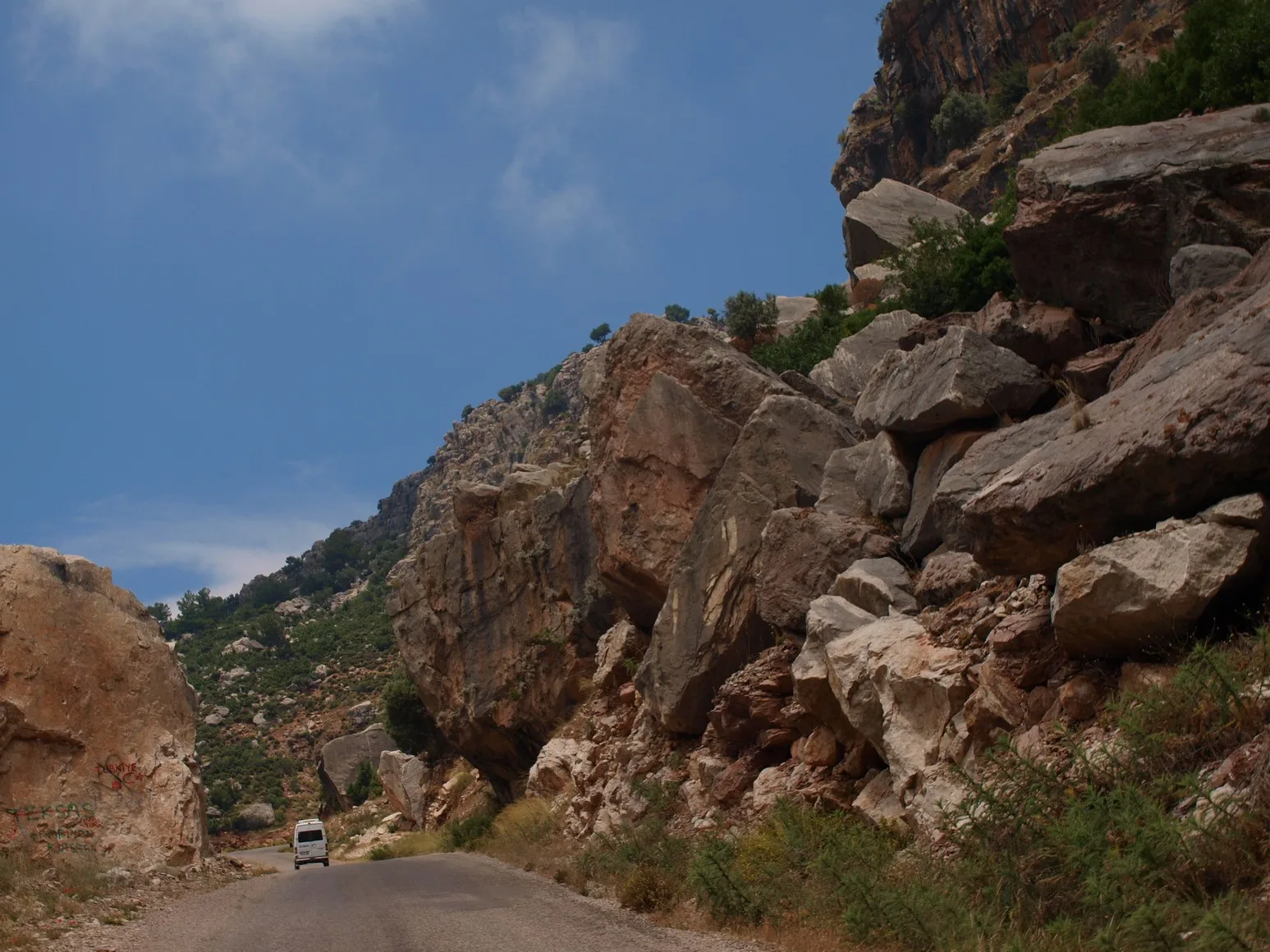
Use a gas stove only in a safe, cleared place, never inside a tent, and never leave it unattended. Do not throw cigarettes on the ground, and do not use disposable barbecues in forest areas unless a campsite has a designated area. Observe local signs and instructions from officials.
Water, food and hygiene
- Carry more water than you think you need, at least 3 litres per person per day in summer.
- Do not drink from streams unless you treat the water.
- Store food securely, since wild boar, jackals and stray dogs may visit camps at night.
- Take all rubbish with you or use official bins. Litter attracts animals and spoils the area.
- If you must use the toilet outdoors, move away from water sources and bury waste.
Heat, sun and insects
Summer heat is the main hazard. Pitch your tent in the shade, rest during the middle of the day and plan activity for morning and evening. Use sun protection, drink plenty of fluids and recognise signs of heat exhaustion such as dizziness and nausea. Mosquitoes are common near water, so bring repellent. Check for ticks after hiking in vegetation, and shake out shoes in the morning in case of scorpions or spiders.
What to pack
- A tent with good ventilation and a waterproof fly sheet.
- A sleeping bag suited to the season and a mat.
- A headlamp, power bank and basic first aid kit.
- A gas stove, cooking pot, lighter and a small trowel.
- Sun hat, sunscreen, repellent and sturdy footwear.
- Offline maps, because mobile coverage can be poor in valleys and forests.
Safety and emergencies
The general emergency number in Turkey is 112. Tell someone where you are going, carry a charged phone and know the nearest road or village. Weather can change quickly in the mountains, and storms can bring heavy rain and lightning. Avoid camping in dry riverbeds, where flash floods can occur.
Camping and the Lycian Way
The Lycian Way, the long-distance trail that starts near Ölüdeniz, is popular with hikers. Some sections have pensions and campsites along the route, and many hikers combine camping with village stays. Wild camping rules still apply, so plan stages using official resources and local advice. See our Ölüdeniz guide for the starting area.
Leave no trace
The beauty of this coast is fragile. Camp lightly, respect local residents, avoid loud noise at night, and leave the place cleaner than you found it.
Frequently asked questions
Can I camp anywhere near Fethiye?
Not freely. Much land is forest, farmland or protected area, and rules vary. The safest option is an organised campsite. For anything else, ask permission from the landowner or local authority.
Is wild camping legal in Turkey?
Rules depend on the location. Many places restrict it, and fines can apply. Do not assume it is allowed, and ask locally.
Can I make a campfire?
No. Open fires in or near forests are dangerous and often banned, especially in summer. Use a gas stove in a safe place and follow local rules.
What is the best month for camping near Fethiye?
May, June, September and October have the best balance of warm weather and manageable heat.
What number do I call in an emergency?
Call 112, the general emergency number in Turkey.